The Aotearoa Chronicles: Making a New Zealand Storybook a Treasured Family Keepsake
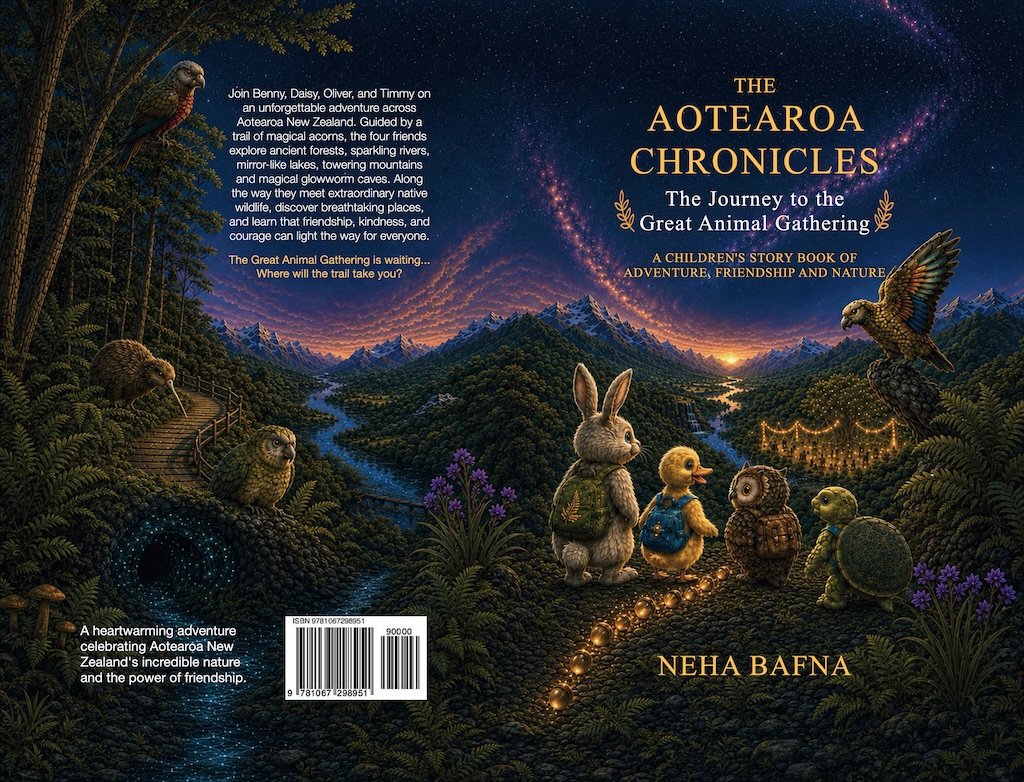
A child’s favourite keepsake is often something they can use. A gift might capture interest as soon as the wrapping comes off, while a storybook offers another opportunity for enjoyment with every reading. The story’s characters gradually become familiar, particular pages become favourites worth revisiting, and the reading experience slowly becomes associated with whoever originally shared the story.
For households thinking about The Aotearoa Chronicles, this personal connection provides a helpful place to begin. Rather than choosing a book simply because it represents New Zealand, reflect on the reading experiences the book could create. An Aotearoa-inspired animal adventure could find a place in a family’s evening reading routine, a reminder of a family journey or a gentle introduction to a place the child has yet to visit.
The right choice ultimately depends on the child receiving it. Their personal interests, preferred reading experiences and opportunities to share stories carry greater weight than a broad claim that any single title suits everyone.
Begin with the child’s interests, then consider the destination
An association with a particular place can add personal meaning to a present, yet that connection alone seldom defines the entire experience. Children usually return to books because something within them holds their attention. That might be an animal character, a journey towards an intriguing destination or the excitement of finding out what unfolds next.
The Aotearoa Chronicles follows four animal companions travelling towards a gathering. The adventure’s emphasis on friendship creates a useful reference point for grown-ups comparing several possible gifts. A child who enjoys imagining animals talking and exploring together may respond differently from one who prefers factual books about machinery or space.
Pay attention to the stories the child picks up without encouragement. Do they linger over pictures, enjoy asking about the people or animals in a story or enjoy predicting the next event? These habits can help identify a suitable reading experience rather than relying entirely on a particular age category.
A New Zealand connection then adds another layer. It might reflect family roots, a recent visit or curiosity about a distant place. The most suitable choice brings together this personal significance and the child’s existing interests.
Travelling towards a shared destination builds anticipation
An adventure involving travel creates a recognisable storyline: companions start an adventure, experience places they do not know and continue towards a place they hope to reach. This storytelling pattern makes it easier for adults to encourage involvement without interrupting the story at every sentence.
In The Aotearoa Chronicles, the companions’ journey towards the Great Animal Gathering gives readers a destination to keep in mind. Someone reading aloud may pause when the story naturally allows and ask the young reader how they picture the upcoming gathering. The answer need not be correct to make the exchange worthwhile.
Making predictions also allows young readers to reconsider their ideas. A reader may begin with one idea, notice a detail and develop another possibility. Such moments can make listening more participatory without taking away from the pleasure of following the adventure.
Even so, involvement should always be encouraged rather than required. Some young readers would rather follow the story silently during their first experience and share their thoughts after reaching the end. Some readers enjoy making comments during the entire adventure. Allowing the child to set the pace helps the experience remain enjoyable rather than feeling like an assignment.
Create a relaxed atmosphere for the first reading
A child’s initial experience with a storybook need not involve reading the entire story. A child might spend several minutes studying the cover, want to know more about the title or focus their attention on one particular picture. Those responses are part of getting acquainted with a story.
Find an opportunity when there is sufficient time to follow the child’s interest. Beginning a story just before the family needs to go out might leave little opportunity to respond to their curiosity. A quieter afternoon or a settled evening may give the story time to unfold at a comfortable pace.
First, give the child room to identify what appeals to them. Instead of explaining everything in advance, leave room for discovery. Begin the story and pay attention to how the child responds, from curious questions and smiles to focused listening or requests to examine something again.
If interest fades, stopping at a sensible point is reasonable. A book can become familiar over several short sessions. Completing the story in one sitting matters less than making reading something the child enjoys returning to.
Use an imagined adventure to encourage observations about the real world
A story inspired by New Zealand can encourage curiosity about its setting, but fiction and factual explanation serve different purposes. Conversations between animal companions exist within the world of imagination. Including these characters does not confirm that their species naturally inhabit the landscape being portrayed.
Recognising this difference offers adults an opportunity to build on the story. Following the adventure, the family may become interested in exploring a factual topic about birds, forests or waterways with the help of reliable factual material. The story supplies the spark; further learning supplies the detail.
There is no need to turn every scene into a lesson. At times, children may only wish to spend time with the fictional companions. At different moments, a spontaneous enquiry might encourage conversation about how a fictional Best New Zealand souvenirs for kids – The Aotearoa Chronicles setting relates to the wider world.
Aotearoa also has cultural meaning beyond its role as a story setting. Adults can approach that meaning with care, choosing reliable material when children ask further questions. An invented adventure may encourage a child’s initial interest without needing to represent every aspect of a nation.
Give the book a place in the family’s own story
A keepsake becomes more personal when there is a reason behind its selection. The motivation may be something uncomplicated: the person choosing it knew how much the child enjoys animals, wished to celebrate a journey the family had shared or wanted to share a connection with a meaningful family destination.
A small handwritten dedication inside the cover may keep the connection alive. It could mention a walk enjoyed together, the special event the gift commemorates or the hope that storybooks will bring the young reader many enjoyable journeys. Personal recollections often carry greater significance than a vague message about selecting a thoughtful gift.
When a young reader is given the storybook following a trip to New Zealand, reading together could help bring back experiences from the holiday. They could think back to a path through the trees or an occasion when they watched birdlife. These associations come from the family’s experience, rather than needing to match the fictional events exactly.
A child who has never visited can form a different connection. The present could show that someone paid thoughtful attention to what they enjoy and selected an adventure they could enjoy together.
Consider future readings when selecting a present
Gift selection often centres on the moment of opening. For storybooks, considering future reading sessions can be just as valuable. Which family member or caregiver might share the story? In which part of the home could the book be stored? Could the story become part of an established reading habit?
Parents and relatives comparing the best New Zealand gifts for kids may find that these practical questions clarify their choices. A book can create more occasions for shared enjoyment when the recipient enjoys reading or has someone willing to share it regularly. Its value grows through that participation.
Each reading session may unfold in its own way. An initial reading might concentrate on the main journey. During another reading, attention could shift to a particularly loved character or an illustration that escaped their attention the first time. On another occasion, the young reader may enjoy recounting part of the story in their own way.
Adults do not need to introduce a fresh activity whenever a child requests the same story. The comfort of knowing a story can be satisfying in itself. Often, sharing another attentive reading of the familiar book is all that is needed.
Encourage conversations about friendship with open-ended questions
An adventure involving several companions can prompt conversations concerning travelling as a group, considering others and pursuing something together. These discussions may work especially well when the young reader notices the underlying ideas without prompting.
Rather than asking for a single moral, ask something connected with the details that interested the child. Which companion would they like beside them on a journey? What might make exploring with friends enjoyable? How might the journey become challenging when characters disagree about what they want?
Such questions allow children to bring their own experiences into the discussion. One may think about sharing decisions with a sibling. Someone else might recall inviting a friend to take part in a game. The discussion can develop naturally from these personal associations without suggesting that the fictional adventure contains exactly the same events.
Try not to provide all the answers before giving the young reader an opportunity to think. A moment of quiet thinking might produce a surprising comment. If they prefer to return to the adventure, that is useful guidance too. Enjoying a story does not depend on discussing all its themes.
Select a keepsake by considering how it will be used
When comparing the best New Zealand souvenirs for kids, reflect on the activities a souvenir could encourage when the family gets home. Certain mementoes are intended primarily as decorative objects. Other souvenirs may offer opportunities for entertainment, useful activities or shared experiences. A book invites reading and conversation.
For this reason, The Aotearoa Chronicles may be a suitable option when choosing for a child who likes animal characters and illustrated journeys. Its connection with Aotearoa can provide a reminder of place, and the adventure gives readers a reason to revisit the book long after receiving it.
The book’s practical features should still be taken into account. Before selecting any book, check its physical format and available sample pages where possible. Think about whether the text length, illustrations and general presentation suit the child. It is better to verify these characteristics than to make assumptions.
A thoughtful keepsake does not have to capture every aspect of the place it represents. It can hold one manageable connection: a place or landscape that captured the young reader’s interest, a moment remembered from a family journey or a subject the child hopes to discover more about.
Use “best” as a question about suitability
Searches for the best children’s books in New Zealand can bring together very different expectations. One person may prefer a story that children can read on their own. Someone else might want a picture-rich adventure suitable for reading together. A different giver may focus on finding a book that commemorates a shared occasion.
Each of these requirements is different and should be considered individually. The Aotearoa Chronicles can be considered through its animal companions, shared journey and setting inspiration. These characteristics offer a more meaningful foundation for deciding rather than assuming that a popular search term establishes an official position.
Available descriptions and sample material can help establish whether the storytelling appeals to the recipient. If a particular age recommendation, edition detail or format matters, verify it before making a decision.
It also helps to distinguish adult preferences from the child’s. A giver may love the destination connection, while the reader cares most about the animals. The right book can bring these interests together without requiring adults and children to appreciate identical features.
Allow the story to continue through simple activities
Families can keep a story meaningful without planning extensive projects. Once the story ends, the young reader could illustrate an imagined gathering, think up an additional travelling companion or talk about the things they might bring on an imaginary adventure.
These ideas are particularly suitable when they connect with the young reader’s interests. For children who like making pictures, having drawing paper available may be helpful. For children who enjoy creating narratives, offer attention as they imagine another part of the adventure. Not every part of the child’s creation needs correcting or reproduce the book closely.
An ordinary outing may also prompt a fresh connection. A path through trees or a quiet pond may bring back the enjoyment of discovering places in a fictional world. There is no need for the connection to become overly serious.
There is no expectation that grown-ups must develop an activity after each reading. At times, simply putting the storybook down and sharing a peaceful moment is sufficient. What matters is allowing the child to develop a personal connection with the adventure.
Conclusion
For families interested in a New Zealand-inspired animal adventure, The Aotearoa Chronicles provides a story to consider. Whether it makes an appropriate gift or memento depends largely on what the child enjoys and the reading experiences that develop over time. Select the book by considering the individual reader, create an opportunity to enjoy the first reading without rushing and give the story time to become part of the family’s routines. A carefully chosen story can hold both an imagined journey and the memory of sharing it.